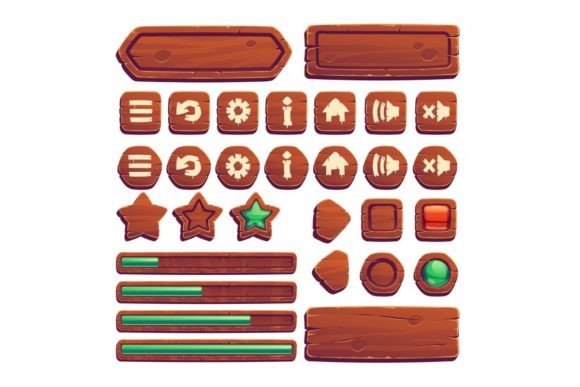
Wooden Buttons for UI Game GUI Elements
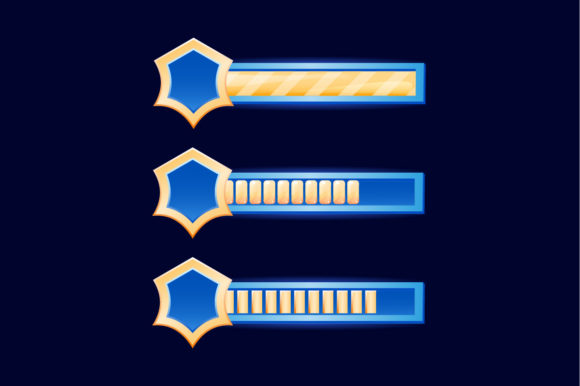
Wooden buttons for UI game GUI elements offer a charming, tactile aesthetic that brings warmth and character to digital interfaces. These design assets typically include a variety of menu buttons, banners, arrows, and progress bars, all styled with a wooden texture. Designed for mobile games and digital applications, they help create a cohesive and inviting user experience without sacrificing functionality.
What Makes Wooden GUI Buttons Unique?
Unlike flat or metallic UI elements, wooden buttons bring a handcrafted feel to game interfaces. The brown wood texture mimics real-life materials, giving players a sense of familiarity and comfort. These buttons are often part of a larger vector cartoon kit, making it easy to mix and match elements for a unified design.
Each item is usually isolated on a white background, allowing for quick integration into different design environments. Whether you're building a fantasy adventure game or a cozy puzzle app, wooden GUI elements help establish a theme while maintaining usability.
Why Designers Choose Wooden Buttons
Many creators appreciate the visual warmth wooden buttons add to their projects. This style works especially well for games with rustic, medieval, or nature-inspired themes. The organic look helps reduce the cold, digital feel of screens, making the experience more immersive.
- Offers a nostalgic, handcrafted appearance
- Supports nature, fantasy, and adventure-themed games
- Easy to customize and integrate
- Works well with both 2D and isometric game styles
Where Can Wooden GUI Buttons Be Used?
These design assets are ideal for mobile games, but they also work well in educational apps, children's interfaces, and interactive storytelling platforms. Because they're delivered as vector EPS and JPG files, they scale cleanly across different screen sizes and resolutions.
For example, a developer creating a farming simulator game might use wooden banners for the main menu and textured arrows for navigation. A puzzle game could use wooden progress bars to show how close players are to completing a level.
Practical Benefits for Beginners and Pros Alike
Beginners will find that using pre-designed wooden buttons speeds up the UI creation process. Instead of designing every element from scratch, they can focus on gameplay and story development. Meanwhile, professional designers appreciate the flexibility and scalability these assets provide, especially when working on tight deadlines.
Since the files are vector-based, resizing them doesn't affect quality. This makes it easier to maintain a consistent look across multiple devices and screen sizes. The JPG format also allows for quick previews and mockups without needing advanced software.
How to Use Wooden UI Elements Effectively
To get the most from wooden GUI elements, consider how they fit into your overall game design. Start by identifying the theme and tone of your game. If you're building a medieval RPG or a nature-themed adventure, wooden buttons can reinforce the visual narrative.
Here are a few tips to ensure smooth integration:
- Match the wooden elements with complementary fonts and colors
- Use shadows or textures to give depth to the interface
- Ensure text remains readable against the wooden background
- Test buttons on different screen sizes for usability
Important Considerations Before Use
Before downloading or purchasing a wooden UI kit, check the file formats and scalability. Make sure it includes both vector (EPS) and image (JPG) files for flexibility. Also, verify if the license allows for commercial use, especially if you're planning to publish a paid game or app.
It's also wise to preview the elements in your project's actual environment. Sometimes a button that looks great in isolation might not stand out in a busy game scene. Adjust contrast, spacing, or layout as needed to maintain usability.
Adding Personality to Your Game Interface
In a world full of sleek, modern UI designs, wooden buttons offer a refreshing alternative. They allow creators to inject personality and storytelling into the interface itself. Whether you're designing a cozy adventure game or a fantasy quest, these GUI elements help set the tone before players even start playing.
For educators building interactive learning apps, wooden buttons can make the experience feel less clinical and more approachable. Bloggers or marketers creating branded games can use them to reflect a rustic or artisanal brand identity.
Final Thoughts
Wooden buttons for UI game GUI elements are more than just decorative assets—they're tools for storytelling and user engagement. By combining functionality with visual appeal, they help create memorable experiences that stand out in a crowded digital space. Whether you're a beginner or a seasoned developer, these design elements offer a simple yet effective way to enhance your game's interface.