Exploring the Visual and Functional Appeal of Coal Boulder and Cartoon Game Stone Elements
Visual design in digital media has evolved significantly, with specific elements like Coal Boulder and Cartoon Game Stone becoming essential in both artistic and functional contexts. These design assets, often represented as Rock E in digital libraries, offer a versatile solution for creators across industries. Whether used in game development, educational materials, or commercial branding, these stylized rock elements bring a unique aesthetic and practicality to the table.
Available in multiple formats such as EPS, JPG, SVG, and transparent PNG, these assets are designed for flexibility. They can be seamlessly integrated into a wide array of projects, from mobile games to educational infographics. Their cartoon-style appearance makes them especially appealing for audiences that respond well to playful, non-threatening visuals.
Understanding the Design Characteristics
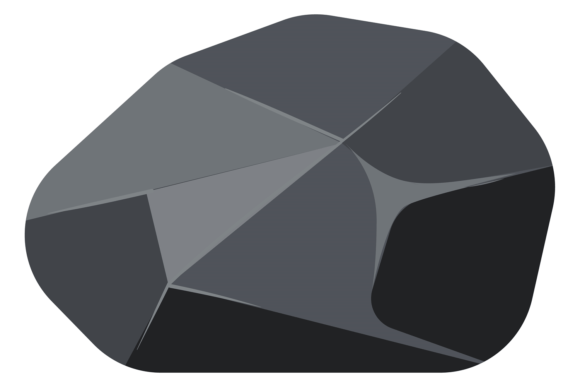
The Coal Boulder is typically depicted as a rounded, dark-toned rock with a slightly textured surface. Its cartoonish rendition softens the natural harshness of real coal, making it suitable for family-friendly content. This stylization is crucial when designing characters or environments that need to maintain a light-hearted tone while still conveying solidity and weight.
In contrast, the Cartoon Game Stone often features more angular edges and a lighter color palette. It can represent a variety of rock types—granite, limestone, or even volcanic rock—depending on the color and texture applied. These variations allow designers to build diverse landscapes without needing a vast library of assets.
Both the Coal Boulder and Cartoon Game Stone fall under the broader category of Rock E elements, which are typically vector-based or high-resolution raster graphics designed for easy scalability and adaptability. The use of transparent backgrounds in PNG versions, for instance, allows for easy layering over different scenes without the need for additional editing.
Applications Across Different Industries
These design elements are not limited to game development. Their utility spans across multiple fields:
- Game Development: Used to build terrain, obstacles, or collectible items in 2D platformers and puzzle games.
- Educational Content: Illustrating geological formations in a simplified, engaging way for children's learning apps or science presentations.
- Commercial Branding: Incorporated into logos or marketing materials for brands related to outdoor activities, construction, or natural resources.
- Web and App Design: As decorative or functional UI elements, such as buttons or background textures.
In each of these applications, the cartoon style of these rock elements helps maintain a cohesive visual language, especially when combined with other similarly styled assets like trees, water, or character sprites.
Advantages of Using Cartoon-Style Rock Assets
One of the primary advantages of using Coal Boulder and Cartoon Game Stone is their scalability. Vector formats like EPS and SVG ensure that the graphics remain crisp at any size, which is particularly useful for responsive web design or print media. Additionally, transparent PNGs allow for seamless integration into layered compositions without the need for complex masking or background removal.
Another benefit is the emotional tone these assets convey. Unlike photorealistic rocks, which can appear cold or uninviting, cartoon versions are approachable and friendly. This makes them ideal for projects aimed at younger audiences or those with a whimsical or imaginative theme.
Moreover, the use of stylized elements like Rock E can help reduce the cognitive load on viewers. Simplified visuals are easier to process quickly, making them effective in fast-paced games or educational tools where clarity is key.
Considerations for Effective Use
While these assets offer many benefits, there are several considerations to keep in mind when incorporating them into a project:
- Consistency: Ensure that all visual elements in your project share a similar art style. Mixing cartoon rocks with hyper-realistic characters, for example, can create a jarring visual experience.
- File Format: Choose the appropriate format based on the intended use. SVG and EPS are best for scalable graphics, while transparent PNGs are ideal for layered compositions in games or web design.
- Licensing: Always verify the licensing terms of the asset. Some cartoon game stones may be available for personal use only, while others may require a commercial license for business applications.
- Color Customization: Many cartoon-style assets come with easily editable color palettes. This allows for greater flexibility in matching brand colors or thematic requirements.
By taking these factors into account, designers can maximize the effectiveness and visual harmony of their projects.
Real-World Examples and Observations
Several successful mobile games have leveraged the charm of Cartoon Game Stone and Coal Boulder elements to create engaging environments. For instance, puzzle games often use stylized rocks as obstacles or interactive elements, while adventure games may use them to build terrain or caves.
In educational apps, the Rock E style has been used to illustrate different types of rock formations in a way that is both informative and visually appealing. By simplifying complex geological structures into digestible visuals, these apps make learning more accessible and enjoyable for children.
Additionally, marketing teams for outdoor brands have used cartoon-style rock illustrations in promotional materials to convey a sense of adventure and ruggedness without being overly intense. This balance is key to attracting a broader audience, including families and casual adventurers.
Future Trends and Adaptability
As digital design continues to evolve, the demand for versatile, high-quality assets like Coal Boulder and Cartoon Game Stone is likely to grow. With the rise of low-poly and minimalist design trends, these stylized elements offer a perfect blend of simplicity and expressiveness.
Moreover, the increasing popularity of indie game development and DIY digital content creation means more creators are seeking affordable, easy-to-use assets. Cartoon-style rock elements meet this need by offering a ready-made solution that requires minimal customization.
Looking ahead, we may see these assets integrated into augmented reality (AR) and virtual reality (VR) environments, where simplified yet expressive visuals can enhance user immersion without overwhelming the system’s processing capabilities.
In conclusion, the Coal Boulder, Cartoon Game Stone, and Rock E elements represent more than just aesthetic choices—they are functional tools that support creativity, clarity, and engagement across a wide range of digital and print applications. Their adaptability, emotional appeal, and technical advantages make them indispensable in modern design workflows.