Kids Game Cubes: Creative Design Assets for Versatile Use
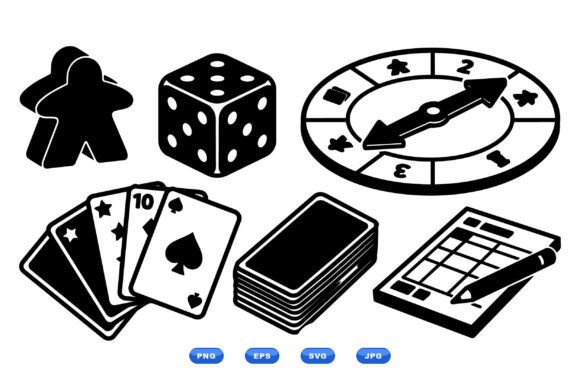
Designers seeking dynamic, reusable visual elements will find Kids Game Cubes to be a valuable addition to their creative toolkit. These playful, geometric design assets come as digital vector files in SVG, PDF, EPS, and PNG 300 dpi formats, making them ideal for both print and digital applications. Whether you're crafting a new brand identity, designing social media graphics, or developing merchandise, Kids Game Cubes offer flexibility and visual appeal across a wide range of design workflows.
From a branding perspective, incorporating Kids Game Cubes into logo design or supporting brand visuals can help reinforce a youthful, engaging tone. Their modular nature allows for endless combinations, enabling designers to create unique patterns, icons, or background elements that align with a brand’s personality. When used consistently, these design components can enhance brand recognition and visual continuity across marketing materials, packaging, and digital platforms.
Applications Across Design Disciplines
The versatility of Kids Game Cubes makes them suitable for a variety of creative applications. Here are some key areas where they can elevate your design work:
- Marketing collateral: Use them in flyers, brochures, and posters to add a fun, interactive visual layer.
- Social media graphics: Incorporate the cubes into Instagram stories, Facebook posts, or Pinterest boards for a cohesive and eye-catching aesthetic.
- Packaging design: They can serve as decorative accents or part of a larger pattern on product boxes, labels, or gift tags.
- Editorial layouts: Add visual interest to children’s book illustrations, magazine spreads, or educational materials.
- UI/UX design: Integrate them into app interfaces or website layouts to create a more engaging user experience.
Design Considerations for Optimal Use
To ensure Kids Game Cubes enhance rather than overwhelm your design, it’s important to consider visual hierarchy, color harmony, and overall composition. Start by aligning the cubes with your existing color palette and typography choices. This ensures a cohesive look that supports your design goals rather than distracting from them.
Scalability is another key factor—especially when using these assets across different media. Since they’re available in vector formats (SVG, PDF, EPS), they maintain crisp quality at any size, making them perfect for both small-scale print projects and large-format digital displays. The high-resolution PNG versions also ensure sharp reproduction for web use, social media, or presentations where vector support may be limited.
From Concept to Creation: Practical Tips
When incorporating Kids Game Cubes into your design workflow, consider the following best practices:
- Test combinations: Experiment with different layouts and color variations before finalizing your design.
- Use layering: Stack cubes in varying opacities to create depth and dimension in digital compositions.
- Maintain consistency: Ensure repeated use of the cubes follows brand guidelines and visual logic.
- Balance with whitespace: Avoid clutter by giving the design room to breathe around the cube elements.
Whether you're designing a playful children’s brand or looking to add a touch of whimsy to a digital campaign, Kids Game Cubes offer a modern aesthetic that blends well with current design trends. Their adaptability makes them especially useful for designers who need to maintain a professional presentation while still embracing creative expression.
Ultimately, the right design assets can significantly impact both the visual appeal and communicative effectiveness of a project. Kids Game Cubes, with their clean lines, geometric charm, and format flexibility, provide a reliable solution for designers aiming to create visually engaging, brand-aligned content across multiple platforms and media types.